Homelessness in the suburbs is closer to home than many realize. With a heart to inform our community about suburban homelessness and help address needs that aren’t being met, we host monthly Compassion Conversations. We’re working to bring together voices from the City of Anoka, Anoka County, and local nonprofits doing this work — to share data and ground-level insights on suburban homelessness in our area.
These conversations are take place Thursday evenings and are from 6:30p-8:30p. There is a max of 45 people to attend each month due to space and to help the conversations be productive.
What to expect:
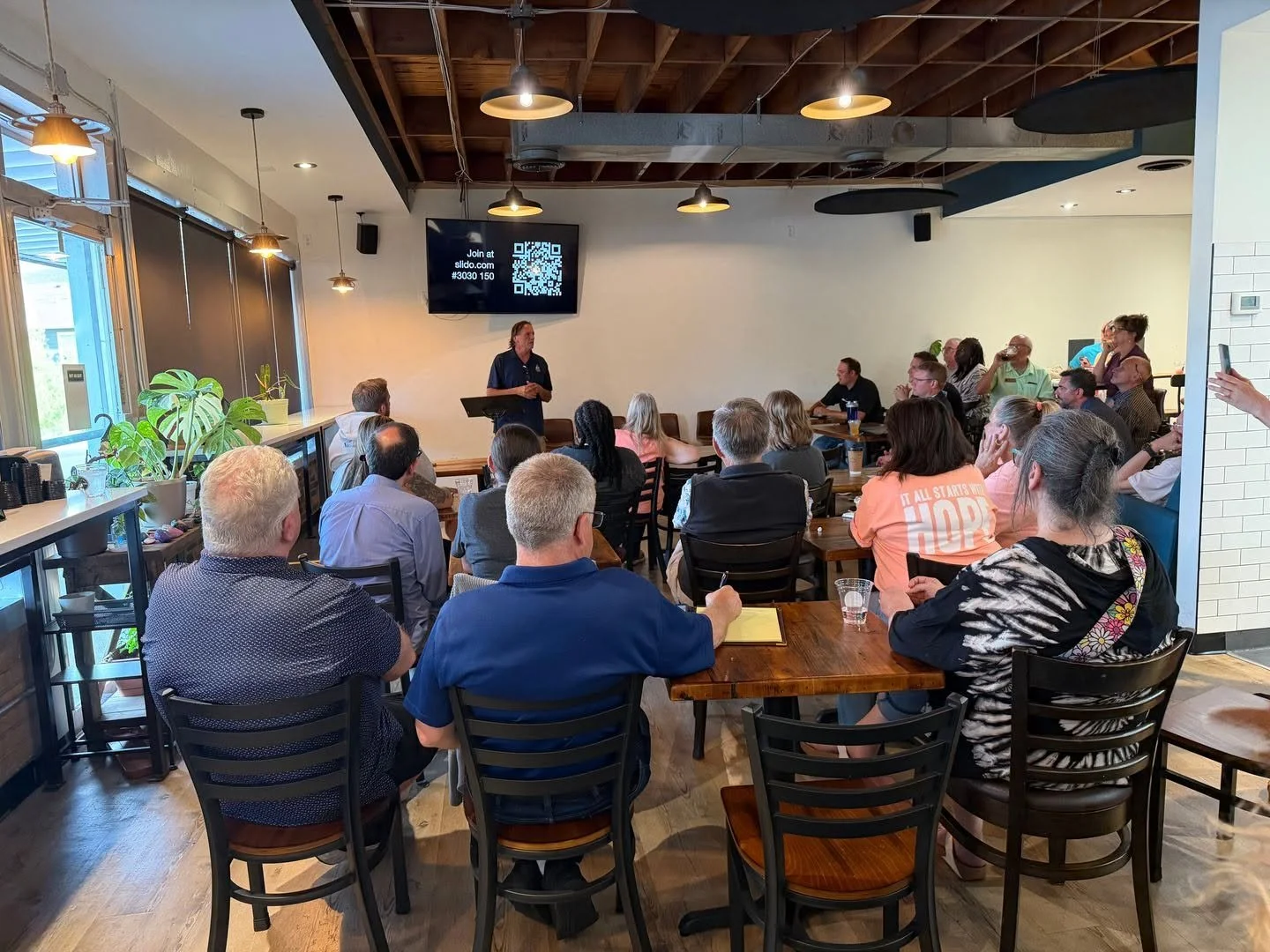
Doors open at 6, and we’ll have baristas available to make drinks until the conversation starts. Drinks are on us. From 6:30-7:30, we’ll have a speakers present on various aspects of the topic of the month. From 7:30-8:30, we’ll have all the speakers sitting on a panel for Q&A. Anyone in attendance will be able to ask questions in person or via Slido.
You can find recaps of our past conversations below, along with links to register for future conversations.
If you, or anyone you know, would like to present on a topic please email Rob Bergfalk at rob@compassioncoffeemn.com
Conversation Recaps
-
Our first conversation was beautiful. We saw people in our community come together to learn about homelessness, encourage one another, and collaborate on practical steps. Not only did we hear from representatives from the city, county, and state level, we had people who were representing organizations doing important work like HOPE 4 Youth, Mediation and Restorative Services - MN, Anoka County Community Action Program, Inc., Guild Services, and more.
One of the needs that got brought up by Quita Curtis, who was there to represent her unhoused friends, was the need for more IRTS (Intensive Residential Treatment Services) beds. Below is a brief summary of IRTS, you can learn more here.
"IRTS is a community-based medically monitored level of care for an adult member that uses established rehabilitative principles to promote a member’s recovery and to develop and achieve psychiatric stability, personal and emotional adjustment, self-sufficiency, and other skills that help a member transition to a more independent setting. IRTS are provided by qualified mental health staff on-site 24 hours a day. IRTS are time-limited, directed to a targeted date of discharge with specific member outcomes. IRTS are consistent with evidence-based practices. "
Other needs that were brought up included: the need for more social workers that can provide 1:1 services, more affordable housing (which is our topic for August), more resources as we see seniors experiencing homelessness on the rise, and more resources in general spread throughout the county.
One of the things we're so grateful for is the posture everyone had. Everyone on the panel were there to genuinely learn and entered the conversation with humility, which was so refreshing to see. Senator Abeler, for example, encouraged people to share unmet needs directly with him so he can look at the current systems in place and any adjustments that may need to be made. You can find his info here.
Commissioners Mike Gamache, Mandy Meisner, John Heinrich along with Anoka Mayor Erik Skogquist and Police Chief Andy Youngquist showed they want to work with one another and move forward with practical steps.
-
We hosted our second conversation centered on homelessness, with a focus on housing.
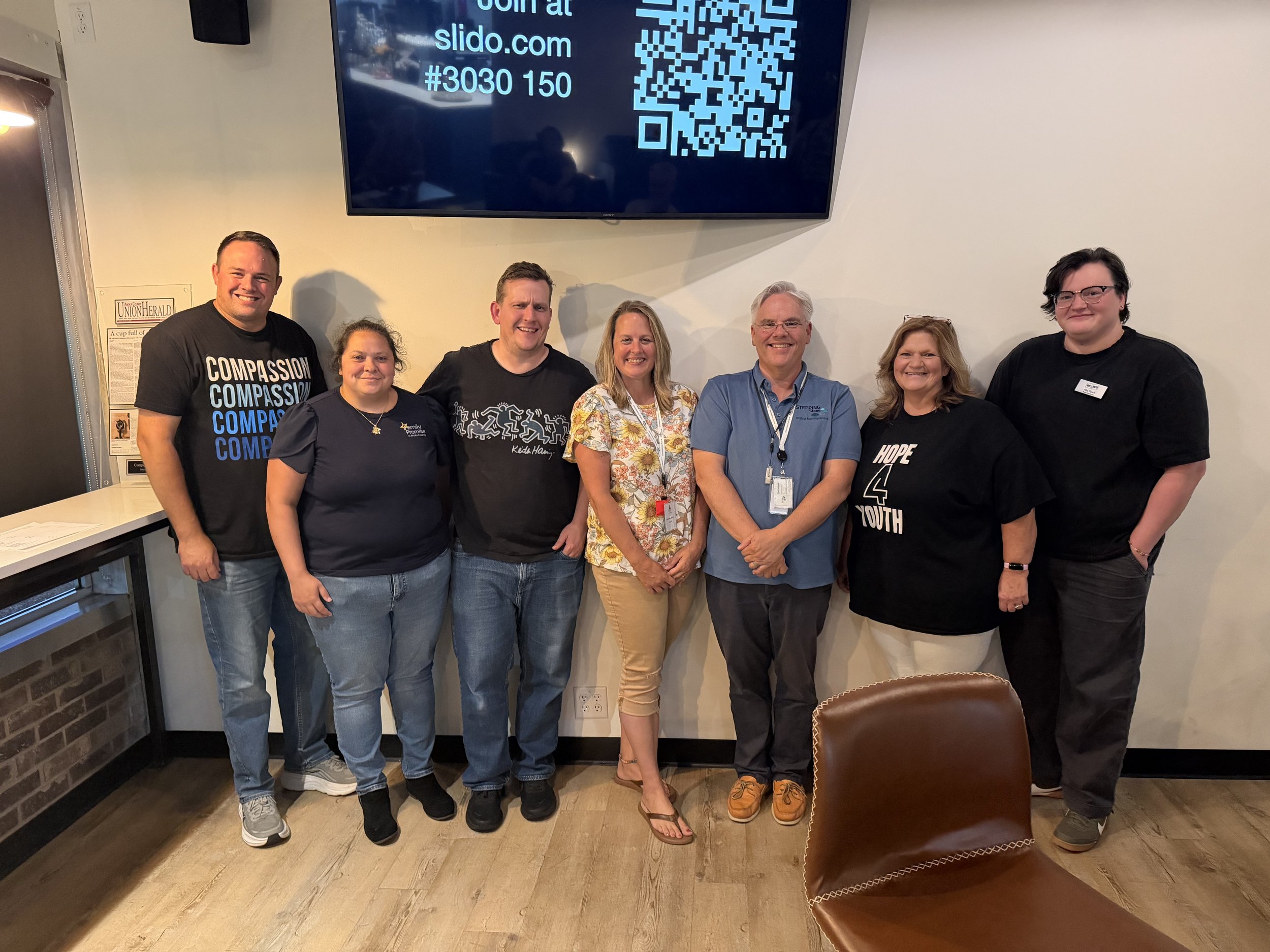
We started with HOPE 4 Youth, a local nonprofit focused on ending youth homelessness. Alex Plisek shared about the reasons youth experience homelessness — one being a lack of affordable housing — and explained the Housing First model they utilize. Mica Bingel shared about Hope Place, a 12-unit transitional housing facility in Coon Rapids that offers services for 18-24 year olds who are at risk of or experiencing homelessness.
Paul Degeest then shared about Stepping Stone Emergency Housing, our local emergency shelter here in Anoka that houses 66 residents at a given time (individuals 18+), with a second location recently opening in Stillwater. They provide 24/7 shelter and case management, along with a long-term housing (LTH) program. Tracy Pierce, who oversees their LTH program, also joined us for the Q&A.
Lindsey Haeg then shared about Family Promise In Anoka County and their 3 programs: prevention, shelter, and housing stabilization. They recently opened a Guest House in Coon Rapids that supports 8 families experiencing homelessness. She reminded us that small steps can lead to large impact — as they started with just a small group of people who simply wanted to do something to help.
We then transitioned to a presentation on affordable housing, led by author and advocate Kevin M. Nye. He walked us through how Area Median Income (AMI) shapes what gets classified as "affordable housing," and gave a powerful illustration using the game of musical chairs: if there are 10 players but only 9 chairs, and the person left standing has a broken foot, it's tempting to assume that's why they didn't get a seat. But the real reason is simpler — there simply weren't enough chairs for everyone. You can learn more about AMI and affordable housing here.
That led us to a practical next step: engaging in a conversation with landlords. A major focus of the evening was on the role landlords play — specifically, the importance of taking a chance on housing people in the very low or extremely low income range (see link above). We want to have a real conversation with landlords about the risks and barriers they'd face in doing this, and learn directly from them. That led to planning our conversation on Thursday, November 12th on the return to housing — this time with an emphasis on getting as many landlords in the room as possible. This conversation will also be open to anyone that is not a landlord as well.
-
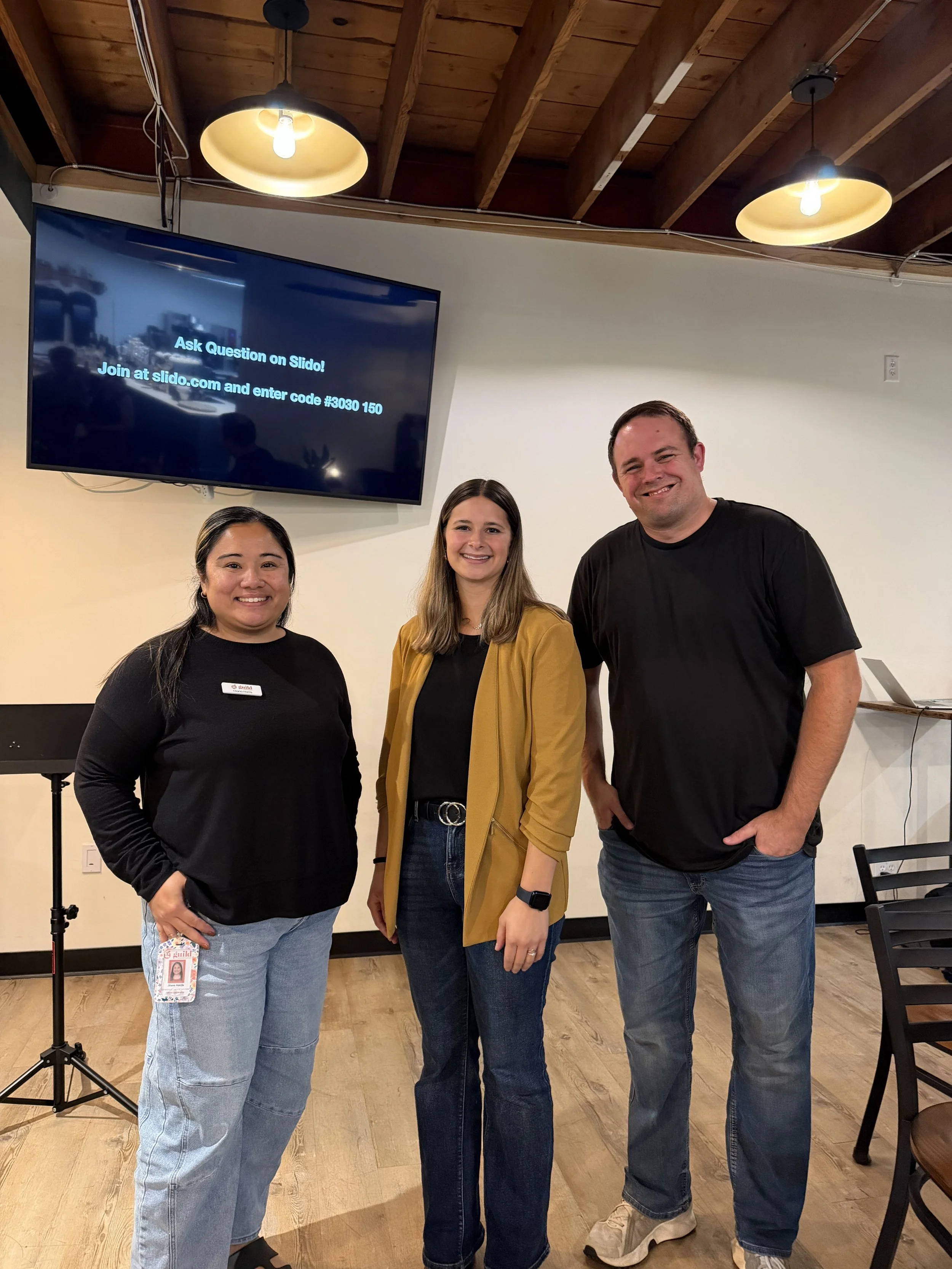
n September 24th, we hosted our third community conversation on homelessness, this time on how mental health and homelessness intersect.
Elaine Krussow of NewPath Mental Health Services opened by defining mental health as "a balance of mind, body, and environment," made up of thoughts and emotions, relationships and community, environment and safety, purpose and meaning, physical health, self-care and coping skills, and family and supports. She talked about the difference trauma-informed care and positive experiences can make. Adverse Childhood Experiences (ACEs) are potentially traumatic events that raise the risk of homelessness. Positive Childhood Experiences (PCEs) are linked to better adult functioning, stronger relationships, better mental health, and stronger emotional and social support. NewPath also offers funding help through its Client Assistance Fund: https://www.newpathmhs.com/client-assistance-fund
Diana Harris of Guild Services spoke next about where homelessness and mental health meet. In the 2023 MN Homeless Study, 61% of Minnesota adults experiencing homelessness reported a significant mental illness. Homelessness can look like staying in a shelter, sleeping in a vehicle, living outdoors, moving between temporary housing arrangements, and more. Its causes vary. Mental illness plays a role, but so does trauma such as childhood abuse, domestic violence, losing a loved one, or a serious accident. A diagnosis like depression, bipolar disorder, or schizophrenia doesn't define a person, and every person deserves dignity and respect. When we meet someone experiencing homelessness, Diana encouraged us to ask ourselves:
"What might this person have experienced?"
This question really stuck out to us, as we believe this question can lead to a desire to show compassion.
To learn more about Guild Services, visit https://guildservices.org/
We're so grateful for Elaine and Diana, and to everyone who comes to these conversations and takes part, and we're honored to be part of the conversation!
Resources mentioned:
5-4-3-2-1 grounding exercise
Columbia Suicide Severity Rating Scale
988
Anoka County Mobile Crisis Response: 763-755-3801
NewPath Mental Health Services
Guild Services
Upcoming Conversations
-
Substance Use Disorder
Thursday, October 15, 2026
Our focus will be on helping our community learn about substance us disorder, the impact it has on our unhoused friends, and resources that are available. Join us as we learn together!
-
Landlords & Housing
Thursday, November 12th, 2026
A conversation primarily geared for landlords to learn about about the need of affordable housing for people in the very-low to extremely-low income range. We’ll also learn from landlords about risks and barriers in doing this and explore ways to work together by providing more housing.
-
Prevention
Thurs. December 17th, 2026
We’re bringing together voices from the City of Anoka, Anoka County, and local nonprofits doing this work — to share data and ground-level insights on suburban homelessness in our area. From there, we'll open the floor for discussion around one of the harder questions: what does it actually look like to show genuine compassion while also holding space for accountability?